Biology prof. Peter Leavitt weighs in on Washington algae and the Sask. situation
Recently, the talk of the town in Washington, D.C., was algae!
Yep, you read that right.
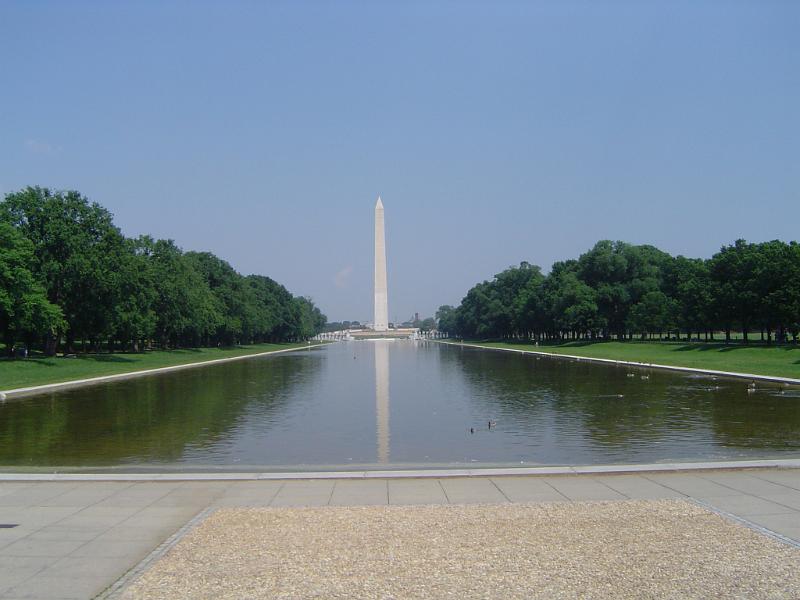
It seems President Donald Trump was not happy to see that the Lincoln Memorial reflecting pool he decreed be painted a patriotic American-flag blue had turned a Martian-esque neon green.
The pool was drained, re-painted and refilled.
In a few days, the algae bloomed again.
What is this world coming to? Can’t a president can’t trust his personal connections he awards no-bid public facility contracts to?
Tourists took photos of the emerald goo, and some touched the rubbery blue material that was now peeling away from the pool’s bottom.
What followed was essentially a hissy fit thrown by the president of the world’s most powerful country, who without evidence accused ‘enemies’ of vandalizing the pool paint with sharp blades.
The (also no-bid) contract to repair the damage went to the original company. Many litres of hydrogen peroxide were poured in and that worked for a while. And then, it didn’t.
Meanwhile, thousands of kilometres away in Regina, you could imagine people who live near Wascana Lake having a chuckle and muttering “amateurs!”
The carillon was not above amusement at Washington’s woes. But we also wanted to understand what went wrong, so we contacted the U of R’s algae expert — water quality researcher Peter Leavitt.
Leavitt, a biology professor, hasn’t been following the Trump-versus-algae saga closely, but he notes that algae blooms during warm weather are quite common.
“It’s a shallow pool,” says Leavitt. “It’s getting lots of light, so it has almost unlimited energy.”
Add nutrients to the mix, and algae are more than happy to take advantage.
You just put a beautiful buffet on the table and algae took it and said, ‘Thanks very much we’ll grow now,’ —Peter Leavitt, U of R biology professor
Green: Not Always Bad!
Algae are a diverse group of mostly aquatic (freshwater and marine), often single-celled and generally photosynthetic organisms. Algae can be found in much of the world.
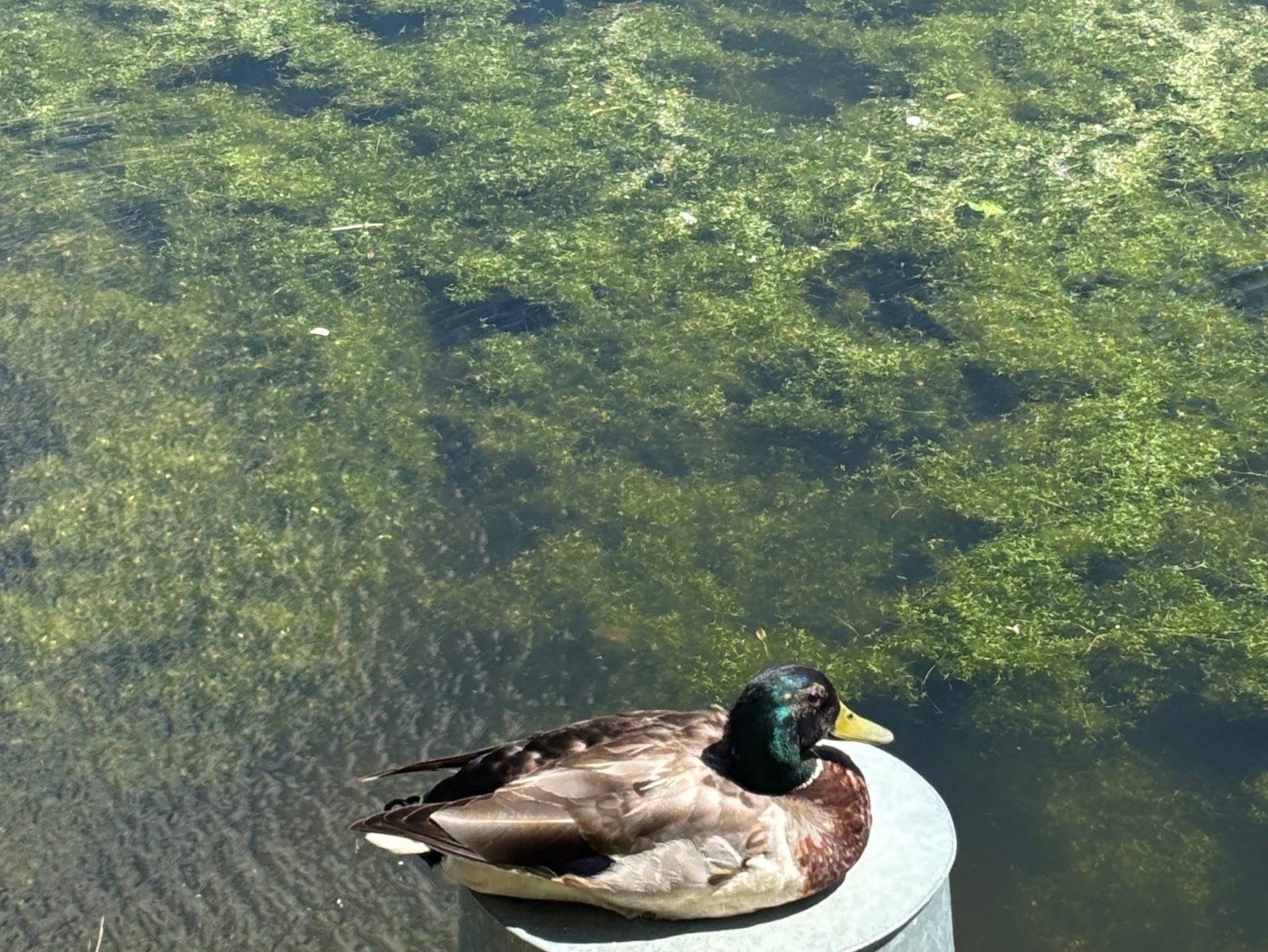
Wascana Lake, as Reginans know, also gets algae. South of the university, you often see ducks and geese paddling through clumps of the green stuff.
The green glop isn’t unnatural or harmful, says Leavitt. It’s generally considered good to have algae because it’s a primary producer — the base of the food web.
The problem is eutrophication — excessive blooms which suck the oxygen out of lakes.
And then there’s cyanobacteria, also known as blue-green algae.
Submitted by: Kevin O’Connor
Algae Vs. Dogs: What Every Parent Needs To Know
Cyanobacteria toxins are harmful to animals, with some more at risk than others because of their behaviour and instincts.
“[Dogs] are loveable but dumb,” says Leavitt. “They will see green water, somebody throws a ball in. Ooh, ball in the water! They go charging in.”
Splash! Their fur attracts cyanobacteria filaments.
“They go, ‘oh, what’s this green stuff? It’s tasty!’ and they lick it off their fur. And they can get a super high dose and it can kill them,” says Leavitt.
Many aquatic creatures, like fish, are resistant or immune to algae toxins. Just as humans have evolved to be resistant to flu, so have fish with algae.
What really harms fish is eutrophication and the loss of oxygen.

Submitted by: U of R
Peroxide The Algae Away?
Would adding hydrogen peroxide to Wascana Lake, as was done in Washington, work?
Leavitt says it can be effective but only as a short-term, band-aid solution.
For clearer water in the city, he says, we must take a multipronged approach.
Algae loves warmer weather because that energizes it.
“You have to reduce the energy input, so shade out the sun. And good luck with that,” says Leavitt.
A better way is to reduce the nutrients that feed algae. That includes fertilizers running off lawns, and communities upstream dumping their septic systems.
An aerator system, which is already in place in Wascana, can also make water more hospitable to fish.
For example? “Pumping water from the bottom, then running it off that sort of waterfall to pick up oxygen,” Leavitt says.
The prospects for water-coloured water at the Lincoln Memorial Reflecting Pool this summer are unknown.
In Saskatchewan’s waterways? Algae can be managed.
But the gross green goo of summer is here to stay.