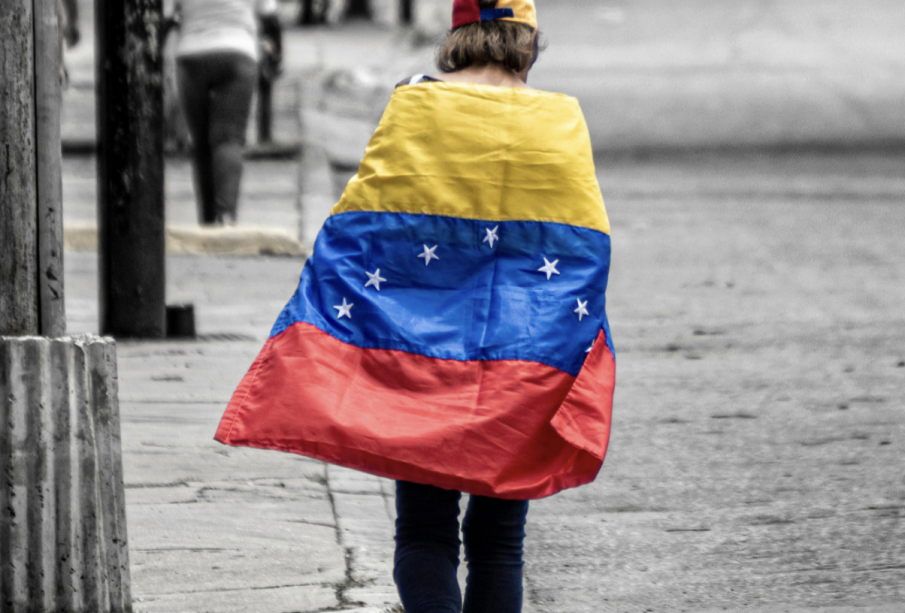
Ana Lopez from Venezuela believes the country’s problems are none of Trump’s business
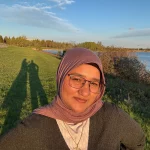
Ana Lopez, born in Venezuela, immigrated to Canada when she was 10 years old. Lopez has a sister who is stuck in Venezuela since the United States’ (U.S.) military bombed Caracas on Jan 3, 2026, and abducted the then-President Nicolás Maduro on drug trafficking charges.
“When I heard the news [about the attack], I was really scared because I thought, what if my sister’s house gets bombed?” said Lopez.
The attack on Venezuela
After months of issuing threats, the United States bombed Venezuela which resulted in the collapse of Maduro’s government. Him and his wife, Cilia Flores, were abducted during the attack.
While people in power have been busy contemplating the next step of the U.S., Venezuelans both in the country and those living outside are worried about themselves and their loved ones.
Lopez mentioned that her sister was visiting Venezuela for Christmas with her son. While the attacks were majorly carried out in the capital of Venezuela, just hearing about the bombs was enough to scare Lopez and her family.
Additionally, the uncertainty of the U.S President Donald Trump’s intentions behind the attacks made Lopez and her family fear for the safety of her sister and nephew.
“My sister lives in the coastal [area] and it’s really close to a military base and an oil refinery. And when the bombing first happened nobody knew what Trump wanted,” said Lopez.
Concerns about privacy
While contacting her sister via phone calls or texts, Lopez mentioned remaining cautious regarding what she talks about due to the governments’ monitoring of telecommunications devices.
“I tried texting my sister, but my mom told me not to because in Venezuela, right now, they’re checking people’s phones and if they’re saying any bad comments, they can get sent to a jail. The conversations I have are very limited. Like, I can’t ask her, ‘what is actually happening?’ because I don’t want to risk her getting into [jail].”
Lopez further said that she is just waiting for her sister to get back so she can have a conversation with her without the fear of being monitored.
Many communications mediums, if not all, have been monitored in Venezuela ever since the early 2000s. In 2008, Reporters Without Borders reported that following “years of ‘media war’ Hugo Chávez and his government took control of almost the entire broadcast sector.”
According to the National Union of Workers of the Press, the Maduro government removed 46 radio stations in 2017. A 2014 report by Freedom House stated that on social media apps, political and social content had been blocked and bloggers and internet users had been arrested in Venezuela.
[The country’s problems are] something the citizens have to fix, not him. It’s kind of like, this is not [Trump’s] business.” – Ana Lopez, student, U of R
Mixed response to the attack
Trump getting rid of Maduro has received mixed reactions from the Venezuelans. I remember talking to one of my classmates from the country who had put up a social media post condemning Trump for his actions. They, however, received significant backlash from their followers from Venezuela as they saw Trump as a saviour who freed them from an authoritarian regime.
On the contrary, Lopez believes Trump has no authority getting involved in her country’s matters. She asserts that fixing Venezuela’s problems is up to its citizens.
“I think [Trump] shouldn’t have done that because who is he [to decide our fate]?” questioned Lopez.
“He wanted to take advantage of our oil basically and sell it off. I just think he shouldn’t have done that! [The country’s problems are] something the citizens have to fix, not him. It’s kind of like, this is not his business.”
Explaining why some Venezuelans might be happy about Maduro’s fall, Lopez mentioned that Maduro’s exit ignited a hope of better days within Venezuelans since the citizens have “been in crises for 26 years.”
Not just a country in crisis
Lopez mentioned inflation and the crisis are not the only things she remembers about Venezuela. There are some memorable moments close to her heart. She fondly remembers a time when many Venezuelans would have mangoes from the trees for breakfast, lunch, and supper.
“I [liked] going to the beach and buying local street food. It’s so good compared to restaurants [here]. And hanging out with my neighbours. In our culture, [it] is very common for your neighbour to be your friend. If you’re not friends with your neighbour, you’re not a good person.”
When asked what kind of Venezuela she would like to see, Lopez mentioned hoping for inflation to go away.
Global effect
The attack on Venezuela has stirred tensions globally regarding international laws. These actions have not only affected the sovereignty of Venezuela but also raised questions about authority of the United Nations [UN].
The attack violates Article 2(4) of the UN Charter, which states: “All members of the United Nations shall refrain in their international relations from the threat or use of force against the territorial integrity or political independence of any state.”
The only qualification to this prohibition is set out in Article 51 which recognizes the inherent right of individual or collective self-defence if an armed attack occurs against a UN member state, allowing the use of force until the Security Council takes action to maintain international peace and security.
The U.S military struck a vessel in the eastern Pacific on Jan 23, 2026, killing two people. This was the first known attack since Trump captured Maduro.
According to the statement released by the U.S. Southern Command, intelligence had confirmed that the vessel was “transiting along known narco-trafficking routes in the eastern Pacific and was engaged in narco-trafficking operations.”
Since early September 2025, the U.S military has carried out more that 30 strikes against vessels that were allegedly smuggling drugs. The Associated Press reported that 100 people were killed in the strikes.
The acting president of Venezuela, Delcy Rodríguez, has reportedly been extremely cooperative with the Trump administration in Maduro’s absence. Lopez seems to be unsure about where Rodríguez’s loyalty lies.
“This woman [Rodriguez] is completely new to us,” she said.