The new space aims to foster belonging, mentorship and research opportunities for students
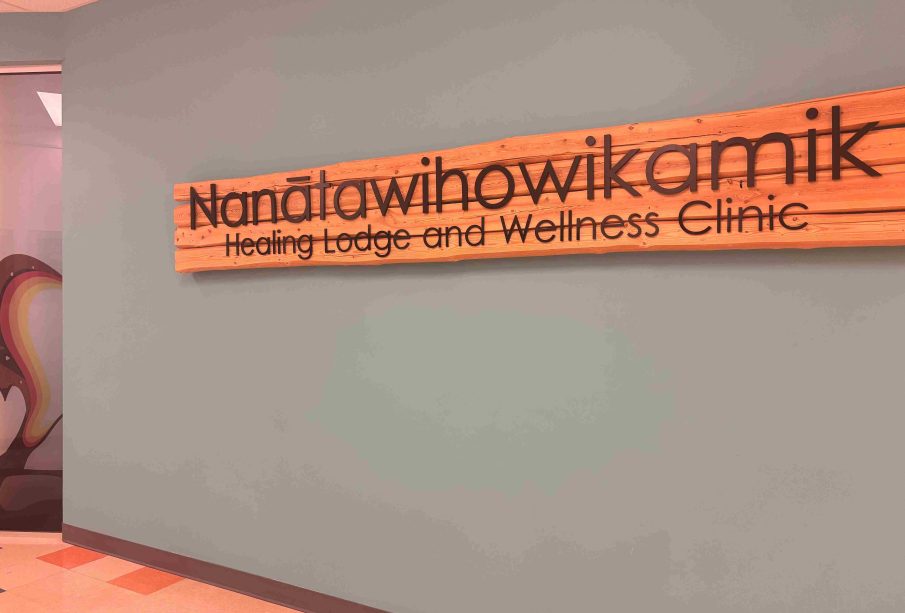
The University of Regina (U of R) unveiled a new expansion on campus dedicated for Indigenous students on Sept. 23, showcasing the Nanātawihowikamaik Healing Lodge & Wellness Clinic located at the second floor of the education building.
This area was designed with Indigenous students and staff in mind in order to foster a welcoming environment and establish a sense of belonging to help people get a feeling of ease and value.
“[The space] represents a commitment to Indigenous leadership, community relationships, and creating opportunities for people to learn, contribute and thrive,”said Amanda Noubarian, the research project coordinator of the new wellness place for Indigenous graduate students.
“As a space connected to a First Nations women-led research lab, I think it offers students an inspiring example of what is possible and creates pathways to research, collaboration, mentorship and future leadership,” she said.
Creating environments where people feel they belong is a meaningful part of advancing reconciliation and Indigenous student success. -Amanda Noubarian
The space accommodates both the Roots to Wellness Research Collaboratory and the Supporting Aboriginal Graduate Enhancement Program (SAGE).
The SAGE program is dedicated to Indigenous graduate students. It is supported by the Faculty of Graduate Studies and Research and is run by Courtney Lavalley, a U of R graduate student.
The Roots to Wellness Research Collaboratory is based at the U of R Faculty of Education and is a First Nations-led research lab led by Dr. JoLee Sasakamoose. It is focused on empowering Indigenous communities in leading through their own health, wellness, and ceremonies.
Their student-led collaborations have inspired initiatives like the horse-based healing program and the Indigenous Youth Pre-Med and Allied Health Science Club.
“Just as importantly, the lab creates opportunities for belonging, mentorship, and leadership, allowing students to see themselves reflected in research and envision future possibilities,” said Noubarian.
Ava Freeman, a second-year journalism student, believes that it’s important for the U of R to integrate with Indigenous culture and practices. She adds that there is always room for growth and improvement to include more of Indigenous cultures and practices.
Freeman mentioned the great space that the First Nations University (FNU) provides for students to work and learn, and how the U of R could bring more spaces similar to FNU to the main buildings for U of R students to experience.
“[Students] can be exposed to that space and environment that FNU provides, and if that could be provided here, I think it would be cool and helpful to students and Indigenous students in particular,” said Freeman.
“As we work towards decolonization, as a colonial institute, I think it’s really important to prioritize spaces for Indigenous voices all throughout the campus,” said Amber Fink, third-year Education student.
Fink expressed gratitude to have FNU in the city and be a Federated College of the University of Regina.
“I think there should never be ‘we’ve reached our limit, we’ve reached our quota.’ I feel like we can always Indigenize our spaces more,” said Fink.
She notes that the ta-tawâw Student Centre is a great resource, but it is always great to be mindful and have more spaces open up on campus.
“I think it’s always so important that we add indigeneity to all of our spaces,” she said.
[The space] represents a commitment to Indigenous leadership, community relationships, and creating opportunities for people to learn, contribute and thrive. -Amanda Noubarian
Noubarian filled the role of lead design and decor in consultation with Dr. JoLee Sasakamoose. Sasakamoose had collaborated with Saskatchewan First Nations communities, the Federation of Saskatchewan Indian Nations, and government partners in the development of the Cultural Responsiveness Framework (CRF).
“Her work helped guide the development of the Nanātawihowikamaik Healing Lodge & Wellness Clinic,” said Noubarian.
This space is not just limited to the university but extends to communities in the area, such as the Wī Cī Tī Zōn Recovery Program. The Wī Cī Tī Zōn Recovery Program builds opportunities for land-based learning and traditional ceremonies, these are provided through partnerships within the community.
“The work within the Nanātawihowikamaik Healing Lodge & Wellness Clinic directly goes through the communities where relationships and community-identified needs guide our approach,”said Noubarian.
The healing lodge and wellness clinic reinforces the Faculty of Education’s dedication to foster a respectful, culturally relevant, and responsive learning environment for Indigenous students, staff and faculty.
During the open house, they showcased various opportunities for student opportunities, including employment, experiential learning, research, and mentorship while still recognizing key partnerships with the Federation of Sovereign Indigenous Nations, North Central Family Centre, Indigenous Christian Fellowship, and HMS Learning through Equine.
“Creating environments where people feel they belong is a meaningful part of advancing reconciliation and Indigenous student success,”said Noubarian.
This campus space continues to stand as a vital resource for the Indigenous community with the goal to continue to deepen connections between the U of R and the community while helping Indigenous students and staff see themselves, their knowledge, and their aspirations reflected in academic spaces.