U of R student shares how personal tragedy helped him advocate for mental health
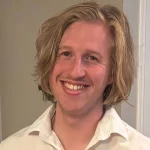
In a conversation with the Carillon, long term advocate Austin Holonics shares the story of how he started working for mental health and what he has learned as a result.
Holonics’ public advocacy journey started in November 2023 when he began working for the Schizophrenia Society of Saskatchewan.. Since working for the society, Holonics stated he has learned a lot about mental illnesses.
A sense of responsibility in survivors
“I’ve learned that people living with mental illness are some of the most genuine and reliable people that I’ve come in contact with.” Holonics stated that those living with mental illnesses take personal responsibility more seriously than others he has come across. He attributes this quality to the fact many that survive mental illnesses have had to either overcome their challenges or continue to live day-to-day with them.
“These individuals truly understand what they are required to do, and that their negative actions can lead to consequences,” said Holonics.
What inspires Holonics
Holonics also shared what inspired his interest in the field emphasising on how his personal life played a major role in piquing his interest. “Addiction [has run] in my family for many generations and it eventually took the life of my brother in the summer of 2020 at the age of 25,” he shared.
Holonics recounted that the shock of his brother’s death left him unsure of what to do next or where to go. However, by the end of 2020, he said he was accepted into University of Regina’s (U of R) honors program where he was told about an interesting topic for his thesis.
“For my thesis, I was introduced to the juror’s perspective on the interaction of race and mental illness in not guilty by reason of insanity cases.” Holonics said. Not guilty by reason of insanity verdicts happens in cases where the result is black and white but the defendant is considered to be mentally ill. “This introduced me to the stigma that people face not only in the courtroom but also in their personal lives.”
Importance of self reflection
He stated that self-reflection plays an important role in his work and personal life. “In this line of work, being honest with yourself about how you are feeling day-to-day and moment-to-moment is very important,” he said.
“This rings true, especially when working with individuals who suffer from mental health or addictions.” When looking ahead to the future in regard to his work, he said he wishes to continue his advocacy work in addition to setting out to achieve another career goal.
A society that lives by self-care is not selfish” – Austin Holonics
Plans for the future
“My future goal is to become a child and family psychologist, I want to work with children to overcome their early life traumas,” he said. Holonics said that he chose this because he wants to help children work on their issues, so they don’t spiral out of control later on in their lives.
Holonics said he wants to help children overcome their traumas and issues before they get into bad habits that may become lifelong or life-threatening. “Mental health struggles and addictions stem from their early childhood, and these issues can become harder to address the more you mask and try to hide them,” he said. “Confronting them in childhood where your resilience and ability to overcome issues should be a focus.”
Over the years, Holonics said he has come to the realization that there is a difference between children and adults in accepting help. “You can do all you can for [adults] but at the end of the day, if they’re not open to the information or change, then everything you can do for them is just going to fall on deaf ears,” Holonics said.
When the Carillon asked what type of legacy Holonics hopes to leave behind, he said that he would like to continue helping people overcome their traumas. “I’d like to help people – especially children – work through their issues so they can avoid habits that may result in ruining their lives like it did with my brother,” Holonics said.
In addition to working toward becoming a psychologist, Holonics said he would also like to help spread the message that everybody’s a person no matter what they go through. “No matter what [a person’s] issues may be, or what may be happening in their daily lives, every person just wants to thrive.”
Holonics said he understands how difficult it is to navigate the constant barrage of fear and hopelessness that our society views people who are struggling with their mental health. He said he sees this a lot in the media and how it can bring people down given the world often portrays people with these struggles as hopeless.
“In spite of all the negativity that surrounds mental illness and mental health, it is important to be a beacon of hope for those who are afraid,” he said. “My goal is to help raise the energy of individuals and be a positive light within their lives.”
Holonic’s advice to aspiring advocates
The Carillon asked if there was one piece of advice he would give to aspiring advocates what that would be. “I would say that a society that lives by self-care is not selfish.”
Holonics said it’s natural for people to want to help others and that doing good makes us feel whole and gives us a sense of purpose. However, in saying that, he said he also recognizes how helping others can take a toll on one’s mental health and wellbeing. “If we’re not in a good state of mind or don’t understand ourselves or our own feelings and emotions, then our mental health can spiral downwards very quickly.”