Regina announces new staff and systems to keep bus riders safe
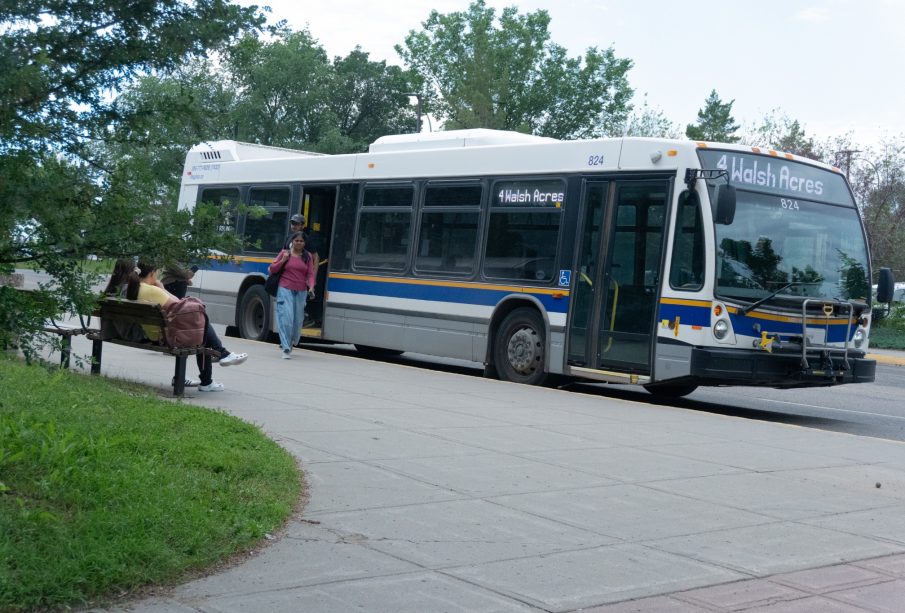
Packed rides, stressed students and safety concerns. That about sums up Regina Transit for some University of Regina students who use public buses to get around the city.
Some even say they don’t feel safe riding the bus or waiting at the shelters.
Alfred Bonnui, a third-year energy systems engineering student, said riding the bus at night feels unsafe to him.
“Some of the bus stops, you know, it’s not all of them that have those [lights] in them,” says Bonnui.
Bonnui also says bus shelters are not well-kept. He often finds bad-smelling garbage.
Another student doing a masters in engineering, Prosenjit Roy, said the homeless population makes transit scary for him.
“Sometimes I found with the bus drivers, they actually intervened to handle the issues,” says Roy.
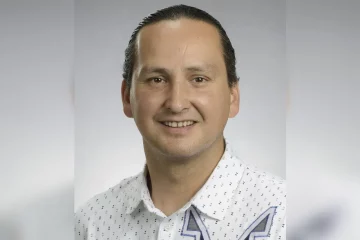
Knowing that [as] we grow as a city, we need to make sure that we are able to respond to some of the increase in ridership and increase of [concerning] activity that we see. —Nathan Luhning, director of transit
‘Incidents’, Crime and Support
In its 2026 Budget book, The City of Regina noted an increase in Regina Transit “incidents”.
One includes fare evasion — when riders don’t pay for their bus ride. The City links this to “growing issues with drug use and homelessness within the community.”
The proposed solution? Dedicated staff for busy bus stops where antisocial behaviour happens a lot.
The plan includes eight transit officers and two support workers to address safety concerns.
There’s also the Central District Downtown Safety Team (DST), which has nine Regina Police Service officers working from the Cornwall Centre. In 2025, they collaborated with Regina Transit to handle disruptive riders and other issues .
Other cities, including Winnipeg, have similarly intentioned programs. Winnipeg’s program has reportedly cut transit-related crime by 18 per cent.
Cameras, Radio and Supervisors, Oh My!
Transit director Nathan Luhning says operators are being trained for confrontations and deescalation.
He adds there are video cameras and two-way radio for emergencies, and supervisors on the road to keep an eye on things. There will also be a customer reporting tool that lets riders text incident details to Regina Transit for investigation.
Luhning says these new projects start this fall.
Lunging comments, “Knowing that [as] we grow as a city, we need to make sure that we are able to respond to some of the increase in ridership and increase of [concerning] activity that we see.”
With the new programs to take effect soon, it will be interesting to see if transit safety and overall experience improve for transit riders.