Chantel Hilt’s take on Tanya Talaga’s investigative non-fiction novel
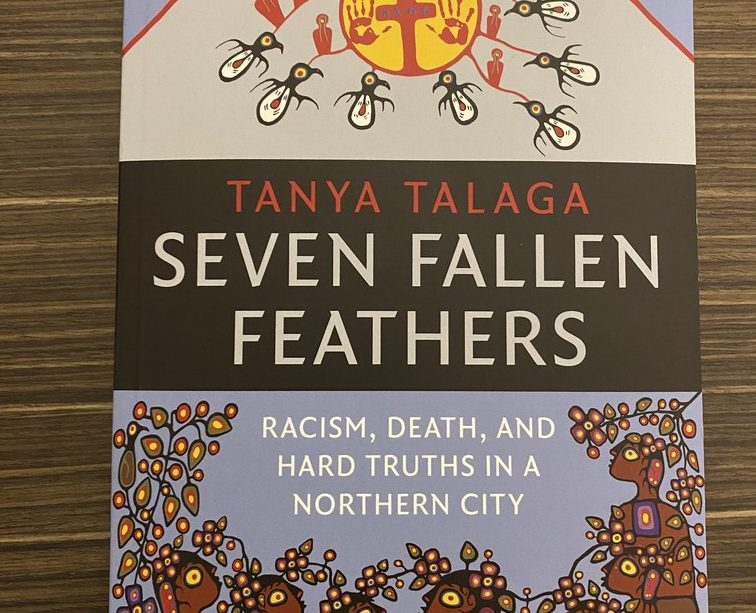
Seven Fallen Feathers: Racism, Death, and Hard Truths in a Northern City was written by a Canadian journalist, Tanya Talaga, and follows the deaths of seven Indigenous students from Thunder Bay between 2000 and 2011.
The stories are intermingled with quotes from the students’ families, members of the Nishnawbe Aski Nation (NAN), and snippets of Indigenous history that has led to the systemic racism felt by Indigenous people in Thunder Bay, Ontario.
Painting a vivid picture
This book is heart-wrenching. Talaga does a fantastic job at portraying the raw emotions felt not only by the families of the victims, but also by the Indigenous communities across Ontario. Unlike in true crime stories, Talaga tells the victim’s story by telling us who they were, what they loved to do, their places in their families and communities, and how these teenagers were so full of light and possibility.
Getting the readers familiar with the victims makes it even more heartbreaking when she details their deaths, which the Thunder Bay police department refused to investigate claiming that they were accidental despite evidence suggesting they were anything but. I had to put the book down at some points just to process the amount of anguish in the pages.
From the very first page of the book, Talaga excels at providing an innate sense of the setting and the time throughout the book. By the time it ended, I felt like I could walk through Thunder Bay myself and know where I am. She achieves this not only by giving the names of the streets the story is taking place on, but also the nearby landmarks.
As the book dives into the history of residential schools in Ontario, she does a great job at telling the reader where the school is, what year it is, and how both of those impact the story being told. Although the historical sections did take me out of the teenagers’ stories a bit, the history was interesting, well written, and important for context.
This book is heart-wrenching. Talaga does a fantastic job at portraying the raw emotions felt not only by the families of the victims, but also by the Indigenous communities across Ontario.” – Chantel Hilts
Sense of responsibility in the narration
Talaga writes these stories with a great sense of responsibility. The way she tells them shows that she cares about the families and the communities affected by these tragedies and also that she feels a great deal of responsibility in telling these stories.
The narrative is carefully constructed throughout the book, to the point where it felt like I was walking alongside the teenagers as they got used to the big city for the first time.
Each chapter focuses on one of the tragic deaths of the northern Indigenous kids moving to Thunder Bay high school. This formatting makes it easy to remember whose story is being read.
Some gaps in writing
The only downside to her writing style was that the portrayal of conflicting reports was incredibly difficult to follow, as I am sure it was in real life too.
As the book progresses and the cases become closer to the present day, I found that there was less focus put on the teenagers. Whether this was due to a lack of information or a desire to provide more information regarding the work various Indigenous organizations were doing at the time, I am not sure.
It took me a bit out of the story to have seven or eight pages about the teenager who passed away to then not talk about them for the rest of the chapter. The difference is incredibly noticeable when you compare of details about the first few teenagers to those further on in the book. I was not expecting the chapters to be uniform, but I would have liked more details further on.
This book truly struck something in me. If you are looking for a great book that talks about the injustices faced by Indigenous people in this country, both in the past and the present, this is the book for you. Talaga is a fantastic writer who deeply cares about what she is writing, and I cannot wait to read what she comes up with next.